Parents do not need an additional lengthy to‑do list. They require self-confidence, practical skills, and a strategy that holds up when a kid quits breathing, chokes on a grape, or surges a high temperature that will not stop. A well designed Maitland emergency treatment program, showed with families in mind, does specifically that. It surpasses ticking a box for a certificate and builds tranquil muscular tissue memory under pressure.
Across Maitland, I have actually seen grandparents practise back strikes on training manikins, new moms and dads battle pram bands while practicing recovery settings, and teenagers learn compressions that could conserve a brother or sister. The mix of ages is a strength, not a distraction. Good teachers lean right into the realities of home life: confined bathrooms, slippery pool floor tiles, Lego underfoot, sleep‑deprived decision making. This guide gathers what matters when you pick first aid training in Maitland, just how family‑specific practice changes retention, and how to make those accreditation hours repay when it counts.
Why parents come close to emergency treatment differently
At work, you can remove an area, call for assistance, and designate functions. At home you navigate high chairs, animals, and panic. The physiology is additionally various. Babies and youngsters are not just tiny adults. Airways are softer and narrower. Heart prices run quicker, books are reduced, and the line between moderate and extreme health problem can relocate quickly.
I see three facts play out in every family course. Initially, simple rehearsed actions defeat intricate concept. Second, tools you can get to in 10 seconds defeats the very best gear you can not find. Third, children replicate what they see. If you design calm steps, they will mirror you later, also in fear.
These facts shape exactly how a Maitland emergency treatment course for family members must look. Try to find mentor that prioritises situations around the home and cars and truck, equipment you currently own, and bite‑sized decision rules that are very easy to remember under stress.
What to expect from a family‑focused Maitland emergency treatment course
Most Maitland emergency treatment programs cover core content lined up with Australian guidelines. For families, trainers add child and baby particular technique, everyday circumstances, and succinct choice hints. When assessing first aid programs in Maitland, or a CPR course Maitland companies work on weekend breaks, expect the complying with foundation, educated and practiced as opposed to simply revealed on slides.
Airway and breathing for babies and children. You will learn how a baby airway differs and CPR and first aid training program why a neutral head setting matters greater than a deep tilt. The training course should show how to open an air passage without hyperextending a tiny neck, and just how to identify signs of respiratory system distress at a look: groaning, flaring nostrils, upper body retractions, blue lips.
CPR, both infant and kid. Compressions transform with size. For an infant, you utilize 2 fingers at the centre of the breast to a deepness of regarding one third of the upper body. For a kid, typically one hand or two if required for deepness. The cadence stays around 100 to 120 compressions per min. An excellent CPR training Maitland session drills this to a metronome, because rhythm is kept in mind when words fail.
Choking emergency treatment tailored to age. Grapes, sausages, coins, and small batteries prevail bad guys. You will practice back strikes and upper body drives for babies, and back strikes coupled with abdominal thrusts for older youngsters as trained under current assistance. Instructors must stroll you with the pivot factor lots of parents miss: when a cough works, motivate coughing and do not strike the back; when a coughing is silent or weak, act immediately.
Drowning response around swimming pools and the river. Maitland families hang out near water. A family‑oriented first aid and CPR course Maitland carriers deliver must consist of safe water rescue basics, the difference in between wet and dry drowning misconceptions and fact, and exactly how to manage spinal safety measures right away lifesaving breaths. The policy is easy: if a youngster is not breathing, open up the air passage and begin resuscitation.
Burns and scalds in bathroom and kitchens. Kettles, bathroom taps, and hair straighteners trigger more burns than campfires. The gold criterion is cool running water for 20 minutes, not ice, lotions, or toothpaste. Trainers should check recall here due to the fact that time really feels long at a sink, and moms and dads usually quit as well soon.
Fevers, seizures, and allergic reactions. Febrile seizures look frightening. Training helps you safeguard the air passage, time the seizure, and avoid placing anything in the mouth. For allergies, the most effective courses include instructor EpiPens so you can practise the jab. In Maitland emergency treatment training focused on family members, teachers will certainly additionally cover asthma plans, spacer use with masks for kids, and exactly how to review a kid's work of breathing in seconds.
Poisoning and button batteries. Children check out with their mouths. The right training course discusses why button batteries shed through cells, the dead giveaways of intake, and why immediate care can not wait. It also discusses when to call the Poisons Info Centre and what details to have ready.
Trauma at home and on the sideline. From trampoline falls to bikes on the river course, households fulfill lacerations, strains, and head knocks. You will learn when bleeding control with direct pressure suffices, when to utilize a tourniquet, and just how to spot warnings for blast that call for a same‑day check.

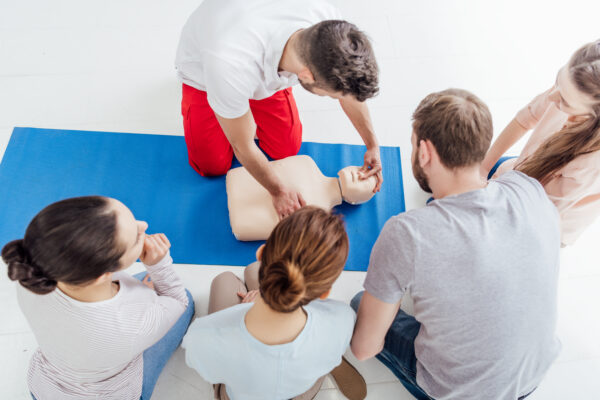
The finest Maitland first aid programs layer those subjects with plenty of hands‑on time and practical technique. If you are browsing first aid training courses in Maitland, ask how much time is spent on the manikins, the amount of trainer EpiPens are available, and whether baby manikins are one per set or one per group. 2 pairs per manikin is a sweet place for purposeful repetition.
Picking the ideal carrier without wasting weekends
Maitland has several training organisations, including general companies and those that emphasise household education. Whether you look for emergency treatment course Maitland, emergency treatment training Maitland, or a mouth-to-mouth resuscitation correspondence course Maitland residents can absorb a night, compare more than rate. Fit for purpose issues more.
Check the layout. Combined distribution, where you full pre‑course theory online and spend face‑to‑face time on useful abilities, functions well for moms and dads. You do the reading after bedtime, after that show up prepared to practise. If a course uses all classroom time for slides, maintain looking.
Look at certification and scope. If you need a first aid certificate Maitland companies acknowledge, confirm the unit codes and credibility periods. Households commonly select a combined first aid and CPR Maitland option, which covers HLTAID011 Give First Aid and HLTAID009 Give CPR, or a child‑specific stream if used. Mouth-to-mouth resuscitation money usually competes year in numerous workplaces, while full emergency treatment refresher courses typically rest at three years. Even outdoors job requirements, skills discolor, so a CPR programs Maitland refresher course annual is smart for parents.
Ask concerning youngster and infant focus. A typical Maitland emergency treatment course covers grownups by default. A family‑oriented program designates more time to baby manikins and genuine home circumstances. You desire instructors who can discuss how to improvisate with what is in your kitchen or auto boot, not just what is in a perfect emergency treatment kit.
Evaluate the trainer, not just the brand name. A solid instructor holds your horses, pragmatic, and imperturbable. If you can, check out recent testimonials that state family scenarios. Names matter much less than the individual at the front of the area. That claimed, established service providers such as Emergency treatment Pro Maitland and similar teams commonly buy upgraded equipment and regular quality. Uniformity is a benefit when you prepare future refreshers.
Consider location and timing. Parking with a child capsule is not a tiny information. Training courses that operate on Saturday mornings with a firm coating time assistance families manage childcare. Check if you can bring a young baby if feeding is an element. Policies vary, however several family courses accommodate this with sensible boundaries.
Making the technique sensible at home
A class is the begin. Skills stick when you revisit them briefly and usually, with your very own environment in mind. I encourage parents to rehearse brief circumstances as soon as a month. Two to four mins is enough. Rotate with spaces where cases happen: cooking area, restroom, backyard, car.
Lay a towel on the kitchen area floor and run a simulated choking drill. Placement a baby doll or rolled towel as a stand‑in and practice the sequence. Talk the hints aloud. Any person old enough can play the function of the customer that dials Three-way Absolutely no and repeats the address. Repetition smooths the cumbersome parts long before fear ruffles you.
In the washroom, practise burns reaction with the tap. Time 20 mins on your phone and discover how your perseverance tears. The timer maintains you sincere. Likewise examine the hot water temperature level. If bathroom time is a regular risk, a tempering shutoff set around 50 levels Celsius lowers scald risk without removing vigilance.
At the car, test how quick you can get a set from the boot and get to a bleeding knee on the curb. Tight rooms might alter your technique. You could uncover that your auto kit rests under the pram wheels, which is not beneficial. Move it to the side pocket where a seven‑year‑old can reach it and recognizes to bring it.
These micro‑drills take mins and build rate. They additionally assist your kids. When kids practice calling for assistance, they find out to state their complete name and place plainly, not "Mum's right here," which is what real callers commonly manage via tears.
What goes in a family first aid kit that you will really use
You can invest a fortune on a set and still not have what you require, or even more typically, have it yet never reach it in time. Construct or buy something compact sufficient to live where you live. For the majority of Maitland households, that means one package in the kitchen area and one in the car.
- Dressing gear you will certainly grab first: adhesive strips in numerous dimensions, sterile non‑adherent dressings, crepe bandages, and a roll of paper tape that adheres to damp skin far better than some plastics. Bleeding control alternatives: a large absorbent pad, triangular plaster for wrapping and slings, and if you are educated, a commercially made tourniquet. Otherwise educated, keep added pads and learn firm straight pressure. The majority of home bleeds quit with pressure and patience. Medications and tools: kids's paracetamol and ibuprofen with age‑appropriate application chart, an immediate cold pack, antihistamines suitable for your child as advised by your GP, tweezers, blunt‑ended scissors, and a digital thermostat that you trust. Airway and breathing: a pocket mask or face guard for CPR if you fit making use of one, an extra spacer with mask for inhalers if you take care of asthma in the house, and a trainer EpiPen if you are showing older siblings exactly how to assist. Written overviews: a laminated web page with actions for mouth-to-mouth resuscitation and choking for infants and children, your youngster's clinical information and emergency contacts, and an area to videotape allergies and doses. Batteries die. Paper survives.
Keep the kit visible, not buried. Replace what you utilize within 2 days. Open up the kit once a quarter, touch each thing, and check expirations. This maintains it acquainted and ready.
CPR for little chests: the information that matter
Parents commonly inform me that mouth-to-mouth resuscitation feels abstract until they press on an infant manikin and really feel exactly how tiny the chest is. The initial shock passes, then we speak information. You aim for deepness, not speed up alone, and for quality over drama.
For babies, you position 2 fingers on the breast bone just listed below the nipple area line, push down to concerning one third of the breast deepness, and enable full recoil. If you learnt a Maitland first aid training course that supplied the two‑thumb strategy for two rescuers, you can make use of that when you have assistance. For breaths, produce a proper seal over the mouth and nose, deliver mild smokes just sufficient to see the upper body rise, and prevent strong air flows that can push air right into the belly and danger vomiting.
For youngsters, press at the centre of the upper body with one hand or more if required to reach one third depth. Maintain your shoulders over your hands to save power. If you are solo, prioritise compressions and reduce stops briefly. If you have a second person, settle on duties aloud. One maintains compressions, the other takes care of the air passage and asks for help.
A metronome assists. Several CPR training course Maitland sessions use songs to secure the price, but in the field you might just have your breath. Suspend loud or in your head. Practice 5 collections of 30 compressions and 2 breaths throughout month-to-month home drills. It is not glamorous, yet the rhythm ends up being automatic.
Choking: small things, big decisions
The initial min is all reasoning. Children who are choking yet can cough strongly are shielding their airway. Motivate coughing and do not slap their back. If the coughing turns silent, if breathing reduces, if the face looks stressed or blue, change to energetic measures.
For babies under one year, position the baby face down along your forearm, head less than the body, sustaining the jaw, and provide company back strikes in between the shoulder blades. If ineffective, roll the baby, sustain the back, and deliver breast thrusts at the exact same factor where you offer compressions. Reassess after each cycle. Your instructor will have you practice this numerous times on baby manikins. Muscle memory issues, because an unsafe, weeping infant is various to a plastic dummy on a table.
For older children, stand or stoop behind and deliver back impacts. If inadequate and you are educated to do so per present support, usage abdominal thrusts with care, and avoid them in pregnancy or for infants. Always look for medical review after successful dislodgement, particularly with switch batteries or sharp objects.
A word on grapes and sausages. Cut them lengthwise, not just right into coins. The cross‑section issues since round shapes can plug a respiratory tract completely. Showing this little detail in a Maitland first aid training session has likely avoided more choking occasions than any single technique.
Burns and scalds: why 20 minutes really feels long and functions anyway
The instinct to reach for ice or lotions runs deep. Withstand it. Cooling with running faucet water for a full 20 minutes minimizes tissue damages, swelling, and discomfort. The evidence is robust. If you start cooling within 3 hours of the burn, you still acquire benefit, though sooner is better.
Remove garments and jewelry around the shed swiftly before swelling traps them, yet do not remove textile that sticks to the injury. Cover with a tidy, non‑adherent clothing. Stay clear of food wrap on the face or for young children who might vomit. Look for immediate take care of burns bigger than a 20 cent piece on a child, for burns to the face, hands, feet, genital areas, or significant joints, and for electric or chemical burns.
Families frequently ask about scalds from hot tap water. A child's skin is thinner and burns faster. If there is one pipes investment that pays off, toughening up valves and screening actual electrical outlet temperatures do more than any lotion on the market.
Allergies, anaphylaxis, and bronchial asthma: seconds count, plans help
If your kid has actually recognized anaphylaxis threat, maintain two adrenaline auto‑injectors with them and one extra in your home. Store a trainer device with your kit so brother or sisters and carers can practice. Instruct older youngsters to exist flat throughout a response unless breathing is challenging, in which instance they might rest with legs outstretched. Standing all of a sudden can go down high blood pressure and worsen collapse.
In family‑focused emergency treatment and mouth-to-mouth resuscitation courses Maitland moms and dads attend, teachers usually share a straightforward regulation: if doubtful, offer adrenaline. The threat of a solitary unnecessary dose is low compared to the risk of postponing a needed one. After offering the shot, phone call for assistance, and prepare to give a second dosage if signs continue after 5 to ten mins and you have actually been instructed to do so by your strategy or medical advice.
Asthma attacks intensify differently. Try to find job of breathing, lack of ability to speak full sentences, and minimized feedback. Utilize the spacer, not the bare inhaler, for youngsters. Four smokes, one at a time, with four tidal breaths per puff is an usual technique showed in your area, but confirm your kid's plan. If signs get worse or do not boost quickly, look for urgent care.
Drowning and water safety: rescuers remain safe to help
In Maitland, yards satisfy pools, and weekends head to the river. Preventative layers are best: secure fencing, gateway locks that self‑close, vigilant guidance within arm's length for toddlers, and swimming lessons tailored to age and ability. Still, crashes occur in seconds and frequently in silence.
If a kid is drawn from water and not responding, open the respiratory tract and check for breathing. Begin mouth-to-mouth resuscitation if missing. Early breaths are particularly vital in sinking, since oxygen deprivation is the central issue. If spine injury is an issue, manage with care, yet do not postpone lifesaving breaths and compressions. Programs that cover emergency treatment and mouth-to-mouth resuscitation course Maitland vast need to give you an opportunity to practice this hand‑off with a partner, since coordination conserves time.
When to seek assistance now vs watch and wait
Parents do not get extra factors for stoicism. If a youngster is not breathing typically, is floppy, abnormally drowsy, blue around the lips, taking, or has a wound you can not control with straight pressure, call for help. Count on your gut when it shrieks that something is incorrect, even if you can not call it yet. That instinct is developed by time with your child.
For head knocks, observe for vomiting more than when, confusion, worsening migraine, abnormal practices, or any type of loss of consciousness. Err on the side of evaluation the very same day for high‑speed falls, bike crashes without safety helmets, or symptom collections that really feel off.
For poisoning, call the Poisons Information Centre instantly with the label in hand preferably. Do not generate throwing up. For button batteries, most likely to emergency even if the child looks penalty. Early access avoids disastrous injury.
Keeping qualification and abilities present without shedding out
No one requires one more schedule job. The method is to pair refresher courses with natural household turning points. When school returns to after summer season break, book a mouth-to-mouth resuscitation correspondence course Maitland instructors offer in the very first term. When winter season sports beginning, check your sideline set and take another look at bleeding control. When the baby moves from purees to finger food, practice the choking procedure again.
Anchor the full first aid freshen every 3 years to something you constantly discover, such as changing smoke alarm batteries or renewing vehicle rego. If you completed your emergency treatment training course in Maitland with a provider that sends out reminders, utilize them. Otherwise, establish your own.
Refresher sessions work best when brief and concentrated. Several companies in Maitland now run small mouth-to-mouth resuscitation courses Maitland moms and dads can complete in about two hours, often at night. These keep the compression rhythm fresh and update you on any guideline changes.

What a family‑savvy teacher looks like
The difference between a featureless course and a life‑changing one is usually the person holding the manikin. Look for somebody who speaks plainly, frameworks errors as learning, and invites inquiries that really feel foolish. They need to show techniques from unpleasant parent positions, not simply with excellent stance on an excellent mat.
They might share a story of a kid saved at a backyard bbq because a teen relative began compressions right away. Or of a grandparent that made use of an EpiPen on an outing rug and maintained a youngster flat while help got here. Stories stick because they catch the untidy fact of family life.
Many strong instructors in Maitland revolve in between workplace sessions and household days. When you search for Maitland first aid programs or first aid professional Maitland, read the local evaluations that mention calm training and practical ideas. The right educator values the severity without turning training into theatre.
Bringing older children right into the loop
Children as young as six can learn to call emergency services, mention their address plainly, and bring a kit. Pre‑teens can practice back strikes and recognize when to get an adult. Teens can do high quality compressions and utilize an AED. Include them in picked drills. Make it normal, not terrifying. Discuss that being prepared is a type of looking after the people you love.
I have seen brother or sisters take possession in the best method. One thirteen‑year‑old in a Maitland emergency treatment training in Maitland session informed me he maintained the family's AED locator application on his phone because he bikes quicker than his parents. He boasted of that duty. That satisfaction converts into action.
The silent payoff
You want to never ever require any of this. The majority of moms and dads will certainly not execute CPR on their own child. That is a mercy. But smaller sized wins accumulate. You will cool down a burn appropriately and avoid a scar. You will certainly recognise a bronchial asthma rise early and protect against a healthcare facility journey. You will certainly cut grapes the secure means without thinking of it. You will maintain your voice constant while another person stresses, since your hands have actually done this before.
That steady, exercised calm is the quiet payoff of a Maitland emergency treatment course formed for households. When you choose a course, prioritise fit over flash. Choose a session that relocates your hands, not simply your mind. Set up refresher courses that collaborate with your life. Place a set where your kids can reach it. Practise tiny drills in the rooms where life happens.
If you currently hold a first aid certification Maitland employers approve, take into consideration including a concentrated baby and youngster session, or book a close friend for a mouth-to-mouth resuscitation refresher so you have a partner to practice with. If you are going back to square one, search for first aid and CPR programs Maitland companies operate on weekend breaks with dedicated infant time, and ask blunt inquiries regarding hands‑on proportions and family members scenarios.
Preparation does not erase anxiety, but it forms what you do next. That is what your kids will remember.